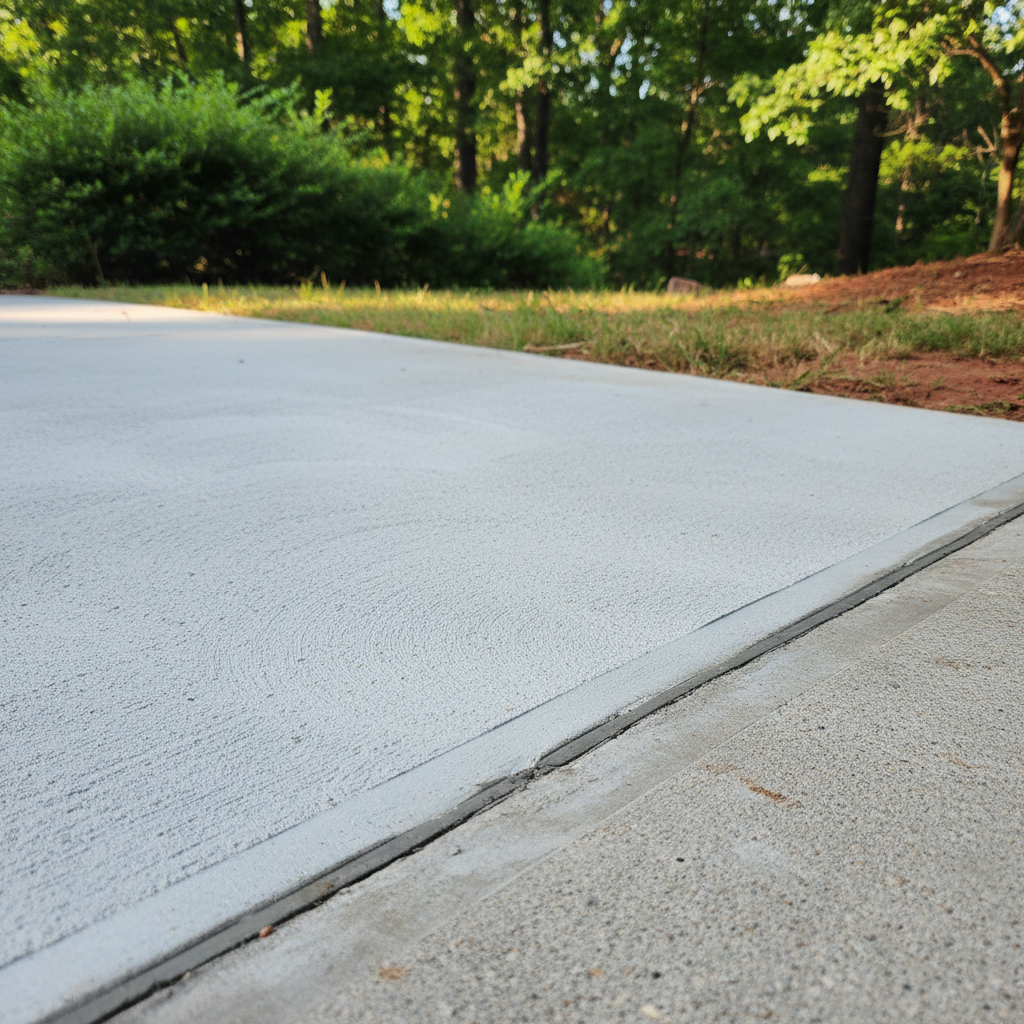
That crack in your concrete isn't just ugly; it's telling you something. Whether it's a tiny line on your patio or a wider gap in the driveway, ignoring it won't make it vanish. In fact, it'll probably just get worse, especially with our Alabama weather — those cycles of hot sun and freezing nights. Water sneaks in, freezes, expands, and then boom, you've got a much bigger headache. So, let's talk about getting it fixed.
Before You Start: Look Closely at the Damage
First things first, really take a good look at what you're up against. Not all cracks are the same, you know? You've got those hairline cracks, which are usually just on the surface and mostly a cosmetic thing. Then there are wider cracks, sometimes with one side sitting higher than the other, and that's a sign of a more serious issue with the base underneath. Oh, and don't forget spalling — that's when the surface starts flaking or pitting away. The type of damage you have really dictates the kind of repair you'll need.
You'll also want to think about where it is. A small crack in a garden path is totally different from a big one in your garage floor that has to handle car weight. And what caused it? Was it just old age? Did someone drop something heavy? Or is it a sign of shifting soil, which, let's be honest, is a pretty common problem in some of Mountain Brook's older neighborhoods built right on those clay-rich hillsides?
DIY Concrete Repair: What You Can Handle
For small, non-structural cracks (we're talking hairline up to about a quarter-inch wide) and minor spalling, you can absolutely tackle some of this yourself. You'll need a few things:
- Safety gear: Gloves and eye protection are non-negotiable. Concrete dust is no joke.
- Tools for cleaning: A wire brush, a chisel, a shop vac, and a garden hose.
- Repair material: This is the crucial part. For hairline cracks, a concrete caulk or sealant often does the trick. If your cracks are a bit wider (up to 1/4 inch), you'll want a vinyl concrete patch or a crack filler made specifically for concrete. For spalling, you're looking for a resurfacer or patching compound. Just make sure it's rated for outdoor use if that's where you're working.
Here’s the basic rundown:
- Clean it out: Grab your wire brush and chisel. Get rid of any loose bits, dirt, or crumbling concrete from the crack or spalled area. Clean it as thoroughly as you possibly can. A shop vac is fantastic for sucking up fine dust.
- Wash and dry: Rinse the area with water to wash away any dust that's left. Then, let it dry completely. This step is super important for the patch material to stick right.
- Apply the patch: Follow the manufacturer's instructions to the letter. Seriously, this isn't the time to wing it. For caulk, apply a steady, even bead. For patching compounds, you'll usually mix it with water until it's about the consistency of peanut butter, then trowel it into the crack, pressing down firmly to make sure it fills every little void. If you're dealing with spalling, spread the resurfacer thinly and evenly over the damaged spot.
- Smooth it out: Use a trowel or putty knife to smooth the patch so it's level with the concrete around it. The goal is for it to blend in as much as possible.
- Cure it: People often skip this, but it's incredibly important. Most concrete repair products need to cure slowly. That usually means keeping the area damp for a few days—either by misting it with water or covering it with plastic sheeting. Again, check those product instructions!
When to Call a Pro (That's Us!)
Look, I'm all for saving a buck and tackling projects yourself, but there are definitely times when you just need to bring in the big guns. Don't hesitate to call Concrete Vision Co. if you see any of these:
- Wide cracks: Anything over a half-inch wide, especially if it goes deep or covers a large area. These often point to a structural problem or some serious movement in the sub-base.
- Uneven slabs: If one side of a crack is noticeably higher or lower than the other, that's a trip hazard, plain and simple, and a sign of significant settlement. This usually calls for slab jacking (polyurethane foam injection) or even replacement.
- Crumbling concrete: If large parts of your concrete are just falling apart, it's way past a simple patch job. The whole slab's integrity is compromised.
- Foundation concerns: If cracks in your exterior concrete are heading towards your home's foundation, or if you're seeing matching cracks inside, stop messing around and get a professional opinion immediately.
- Large areas of spalling or pitting: While small spots are DIY-friendly, if your whole driveway or patio surface is flaking, a full resurfacing or replacement might actually be more cost-effective and last longer in the long run.
Trying to patch these bigger problems yourself is usually just a waste of time and money. You're essentially putting a band-aid on a broken bone, right? We've got the specialized equipment, materials, and experience to figure out the real cause and fix it correctly the first time.
After the Repair: Maintenance Really Matters
Once your repair is done, whether you did it or we did, a little ongoing care goes a long way. Keep the area clean, sweep away leaves and debris regularly. If your concrete has a sealer, reapply it every few years; it helps protect against moisture and wear. Good drainage around your concrete is also critical; make sure downspouts are pointing away from slabs to keep water from washing out the base.
Taking care of your concrete isn't just about making your house look good; it's about protecting your investment. A small repair today can prevent a much bigger, much more expensive problem down the road. So, get out there, check those cracks, and tackle what you can. For the rest, well, you know who to call.