Concrete Cracks: What's the Big Deal?
You've probably spotted them – those tiny lines on your patio, maybe a bigger split running through the driveway, or even some crumbly bits on your steps. Concrete isn't magic; it won't last forever without showing some wear and tear. Here in Mountain Brook, with our shifty red clay soils and those winter freeze-thaw cycles we get, it’s pretty normal for concrete to move around a bit. So, the big question is, when should you actually worry, and what can you realistically fix yourself?
First off, not every crack means disaster. Hairline cracks, especially on brand-new concrete, are often just surface-level shrinkage. They don't usually mess with the structure. But if you start seeing cracks wider than a quarter-inch, or if one side of the crack is noticeably higher than the other, that's a red flag. That's when you're looking at potential water getting in, tripping hazards, or even foundation problems if it’s too close to your house – yikes!
Before You Grab the Caulk Gun: Assess the Damage
Before you even think about fixing anything, you really need to figure out what kind of damage you're up against. This isn't just about filling a hole; it's about understanding *why* the hole is there in the first place. Here’s what I always tell people to look for:
- What kind of crack is it? Is it a hairline, spalling (that's surface flaking, by the way), a wide one, or a settlement crack where a section has just dropped?
- Where is it? Is it on your patio, driveway, sidewalk, or a structural slab like a garage floor? The location often tells you a lot about how to fix it and how urgent it is.
- What caused it? Can you tell why it happened? Was it heavy stuff, tree roots, bad drainage, or just plain old age? Fixing the cause is super important for a repair that actually lasts. If you've got a giant oak tree pushing up your sidewalk in Crestline Village, just patching it won't solve anything long-term.
- How bad is it? Is it purely cosmetic, or is it a tripping hazard, or letting water into places it absolutely shouldn't be?
Once you've got a good handle on the damage, you can then decide if it’s a DIY job or if you need to call in a pro, like us at Concrete Vision Co.
DIY Concrete Repairs: What You Can Tackle
For smaller, non-structural problems, you can totally do some repairs yourself. You’ll save some cash, and honestly, it feels pretty good to fix something around your place.
Hairline Cracks & Small Spalling
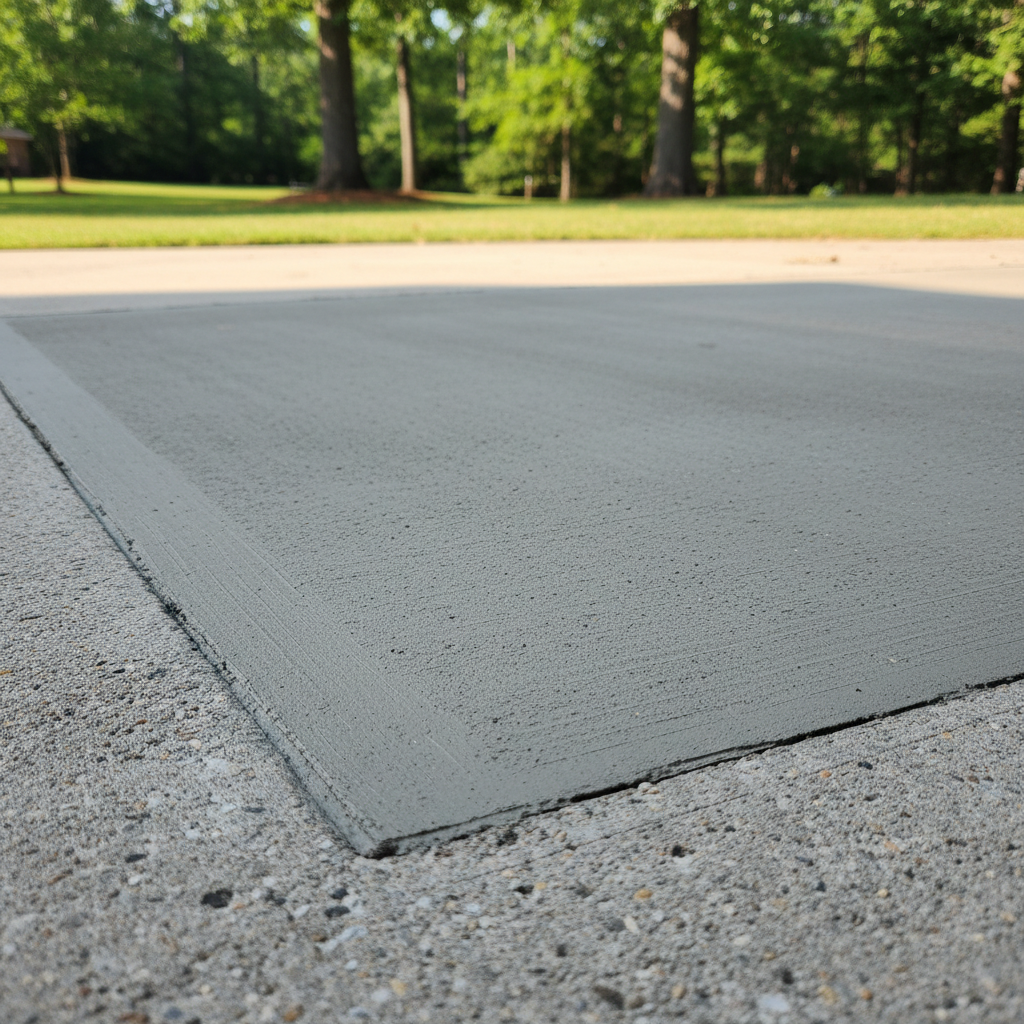
For these, you'll want a decent concrete crack filler or sealant. Make sure the area is clean and dry first. Grab a wire brush to get rid of any loose bits. Then, just put the filler on following the product’s instructions. Most come in a tube you can use with a caulk gun. Smooth it out with a trowel or your finger (wear gloves, please!). This kind of repair is mostly for looks and to keep water from sneaking into the crack and making things worse.
Patching Small Holes & Chips
If you've got little divots or chips, a concrete patching compound will be your best friend. Again, clean the area really well. You might even need to chip away any loose concrete with a hammer and chisel. Mix the patching compound according to the package directions – don't add too much water, or it'll end up weak. Apply it with a trowel, pressing it firmly into the hole. Feather the edges so it blends nicely with the existing concrete. Keep it damp for a few days by covering it with plastic or misting it, especially during our hot Alabama summers; this helps it cure right.
When to Call a Professional
Listen, I'm all for homeowners doing what they can, but there are definitely times when you need to bring in someone with the right tools, the experience, and the know-how. Don't try to be a hero when:
- Cracks are wide or deep: Anything wider than about half an inch, or cracks that go all the way through the slab, usually point to a bigger problem that a simple patch won't fix. You might have issues with the sub-base or significant settling.
- Slabs are uneven: If a section of your driveway or patio has sunk or lifted a lot, that's a structural issue. We're talking about tripping hazards and potential water drainage problems. This often means you need slab jacking (also called mudjacking or concrete lifting) or even a full replacement.
- Concrete is crumbling or deteriorating: If big chunks of your concrete are crumbling, flaking away, or showing extensive spalling, it's probably too far gone for a simple fix. The concrete's integrity itself is compromised.
- Cracks are near your foundation: Any cracks in concrete right next to your home's foundation need immediate professional attention. These could signal foundation movement, which is a serious concern.
- Damage covers a large area: If a big section of your driveway is shot, trying to patch it yourself will probably look terrible and fail pretty quickly. A professional can figure out if you need a full replacement or a more extensive repair.
A good contractor won't just fix the visible damage; they'll also try to pinpoint the root cause to stop it from happening again. Sometimes it's about improving drainage, other times it's about dealing with soil compaction. We've certainly seen it all.
After the Repair: Maintenance Matters
Whether you DIY or hire a pro, a little bit of aftercare really helps your concrete last. Once your repair is cured:
- Seal It: Think about putting a good quality concrete sealer on your whole slab. This helps protect against water, freeze-thaw damage, and staining. It's like sunscreen for your concrete, you know?
- Keep it Clean: Sweep off debris regularly. Power wash it occasionally, but be careful with really high pressure on older or repaired concrete.
- Watch for Drainage: Make sure water isn't just sitting on your concrete. Good drainage away from your home is crucial for all concrete surfaces.
- Address Tree Roots: If tree roots are causing trouble, you might need to talk to an arborist. Sometimes, a root barrier can prevent future problems without hurting the tree.
Taking care of your concrete isn't just about making your house look good; it's about safety and protecting your investment. Don't let those small cracks turn into huge headaches. A little attention now can save you a lot of trouble down the road.