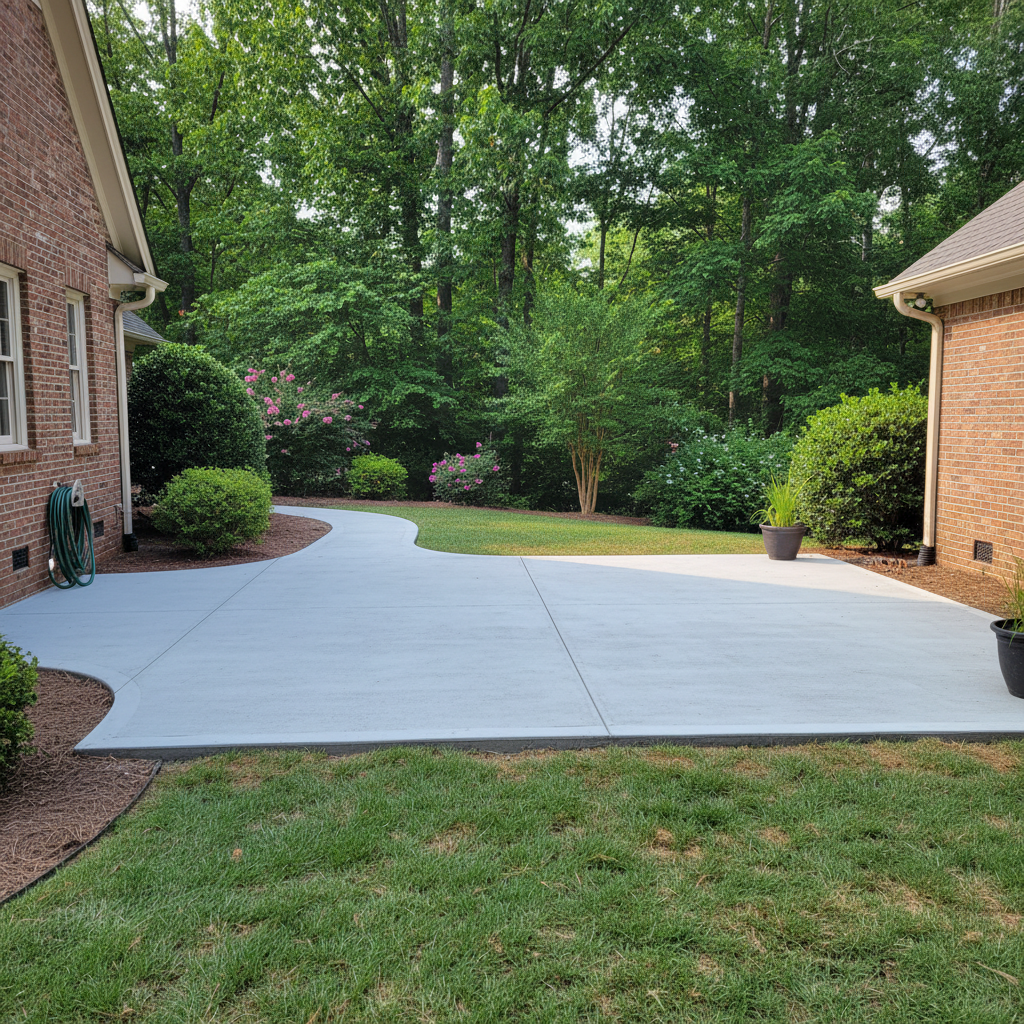
Alright, let's talk about concrete here in Mountain Brook. I've been pouring and repairing concrete flatwork around here for years, and one thing's for sure: our weather plays a huge role in how long that concrete lasts and when it's best to get work done. You've got beautiful homes, often with these sprawling driveways and patios, and you want them to look good and hold up, right?
Understanding Mountain Brook's Climate and Your Concrete
Our climate isn't exactly extreme, but it's got its quirks. We get hot, humid summers and mild, often wet winters. We also deal with a fair amount of clay soil, which can expand and contract with moisture changes, putting stress on anything built on top of it. This isn't just about comfort; it's about the very ground your concrete sits on. That constant freeze-thaw cycle, even if it's not super severe, combined with soil movement, can really take a toll if your concrete isn't poured right or properly maintained.
You might think concrete is just concrete, but the conditions during and after a pour are critical. Too hot, too cold, too wet, too dry – all of it can impact the final strength and durability. It's why I'm always stressing the importance of timing and proper technique.
When to Schedule Concrete Work Around Here
If you're thinking about a new driveway, patio, or even just a repair, timing is everything. Here's what I generally recommend:
- Spring (March to May): This is often ideal. Temperatures are usually mild, not too hot, not too cold. We get some rain, but it's usually manageable. The ground isn't frozen, and the heat of summer hasn't kicked in yet, which means the concrete can cure nicely without drying out too fast.
- Early Fall (September to November): Another great window. The intense summer heat is gone, but we're usually still above freezing temperatures. This allows for a good, slow cure. You want to get it done before the really cold, wet weather sets in, though.
- Summer (June to August): We can definitely pour concrete in the summer, but it requires more careful planning. The heat means the concrete can dry out very quickly, which can lead to cracking if not managed properly. We'll often pour earlier in the morning to avoid the peak heat of the day and ensure proper curing.
- Winter (December to February): This is the trickiest time. While we don't get prolonged deep freezes like up north, we do get nights below freezing. Pouring concrete in freezing temperatures is a big no-no unless you're taking very specific, costly precautions like using accelerators and insulating blankets. It's usually best to avoid it unless it's an absolute emergency.
Ultimately, when you call Concrete Vision Co. for a quote, we'll talk through the current weather and the forecast to figure out the best timing for your specific project. We don't just guess; we plan.
Protecting Your Concrete Investment Year-Round
Once your concrete is in, you want it to last. Here's how you can help protect it:
- Sealing is Non-Negotiable: I can't stress this enough. A good quality sealer protects against moisture penetration, oil stains, and the general wear and tear from our weather. It's like sunscreen for your concrete. You should plan to reseal every 2-5 years, depending on the traffic and type of sealer. It's a small investment that pays huge dividends in longevity.
- Keep it Clean: Regular cleaning, especially after pollen season or if you spill something, prevents stains from setting in. A simple sweep and hosing down can go a long way. For tougher spots, a mild detergent and a stiff brush usually do the trick. Avoid harsh chemicals that can degrade the sealer.
- Watch for Drainage: Make sure water isn't pooling on or near your concrete. Proper drainage is crucial. If water sits, it can seep into the concrete, and if it freezes, even just a little, that expansion can cause spalling or cracking over time. This is especially true for areas like English Village where older homes might have settling issues that affect water flow.
- Address Cracks Early: Small cracks can become big problems. If you see minor hairline cracks, especially in areas with heavy use, it's worth having them looked at. Sometimes they're just superficial, but other times, they can indicate a deeper issue that's best addressed before it gets worse. Don't let a small issue turn into a full slab replacement.
- Avoid De-icing Salts: This is a big one. While we don't get a ton of ice, when we do, resist the urge to use rock salt (sodium chloride) on your concrete. It can be very damaging, causing the surface to pit and spall. If you absolutely need to de-ice, look for products labeled as concrete-safe, often containing calcium magnesium acetate (CMA).
Taking a little bit of care throughout the year can significantly extend the life of your concrete. It's not just about the initial pour; it's about smart maintenance. If you've got questions about your specific concrete situation or need some work done, give us a call at Concrete Vision Co. We're always here to help our neighbors in Mountain Brook keep their properties looking their best.